







On July 15, 2025, Tesla finally entered the Indian market, launching bookings for its Model Y electric SUV in Mumbai, Delhi, and Gurugram. This move, long anticipated since Elon Musk’s promises in 2016, arrives at a time when India’s electric vehicle (EV) market, though growing, remains a niche at under 5% of total vehicle sales.
Priced between ₹59.89 lakh and ₹67.89 lakh (ex-showroom, ₹61–78 lakh on-road), the Model Y targets affluent urban buyers, but it is expected to face intense competition from established luxury brands like BMW and Mercedes, as well as affordable local players like Mahindra and Tata, which have better understanding and infrastructure in India.


With high import duties, limited charging infrastructure, and a crowded premium EV segment, Tesla’s entry raises a critical question: Is the Model Y too little, too expensive, and too late to make a significant impact? This blog explores Tesla’s launch, its competitors in the similar price range, and the challenges and opportunities it faces in India.
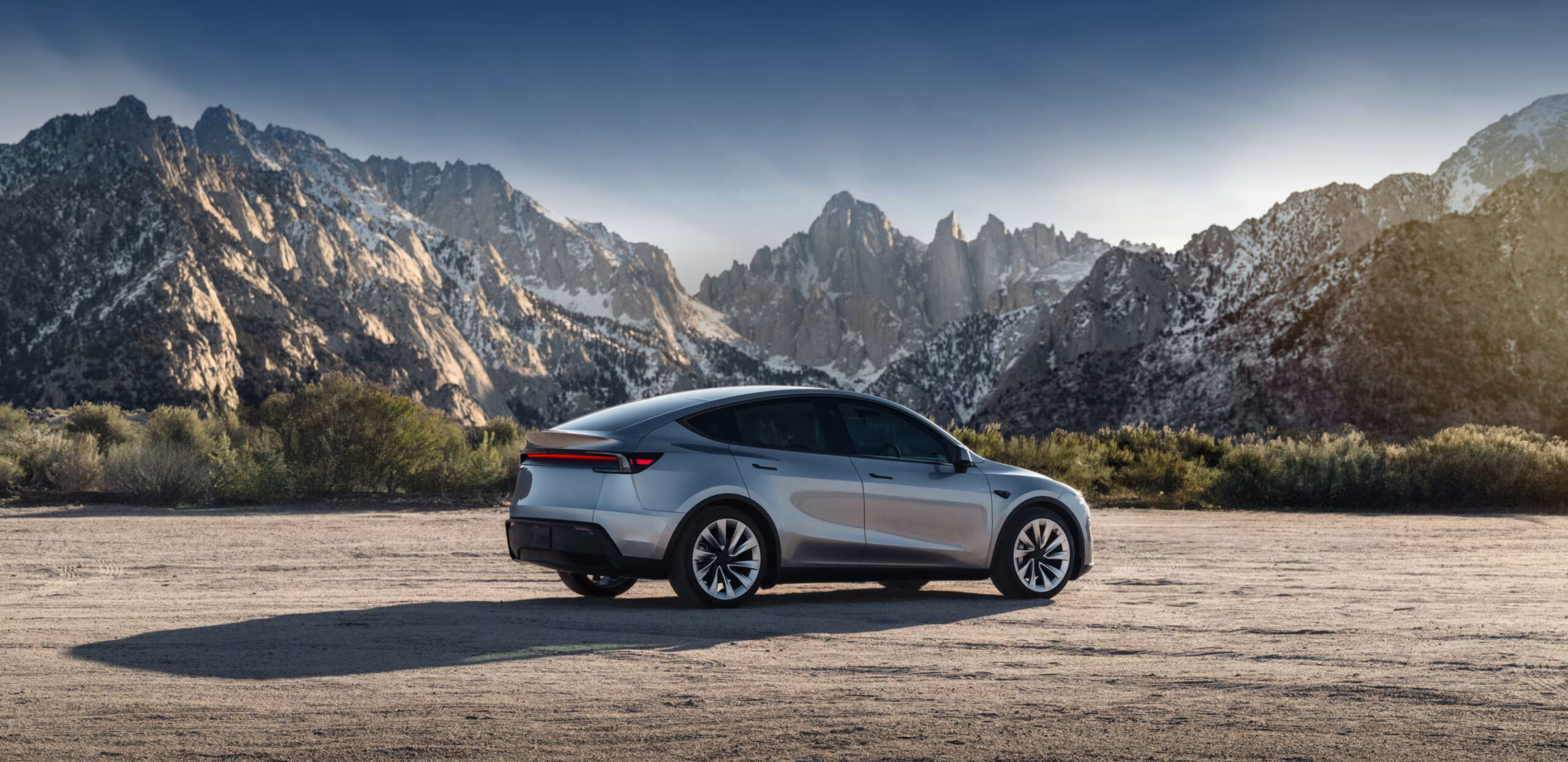
Tesla Model Y: Pricing and Features
The Indian automobile market loves the mid-size SUV or SUV-looking cars. Tesla’s Indian debut centres on the Model Y, a premium mid-size electric SUV, available in two variants:
- Model Y Rear-Wheel Drive (RWD): ₹59.89 lakh (ex-showroom), ~₹61–66 lakh on-road, 500 km range (WLTP).
- Model Y Long Range RWD: ₹67.89 lakh (ex-showroom), ~₹70–78 lakh on-road, 622 km range (WLTP).
Key Features:
- Performance: Accelerates from 0–100 km/h in 5–5.6 seconds, among the fastest in its segment.
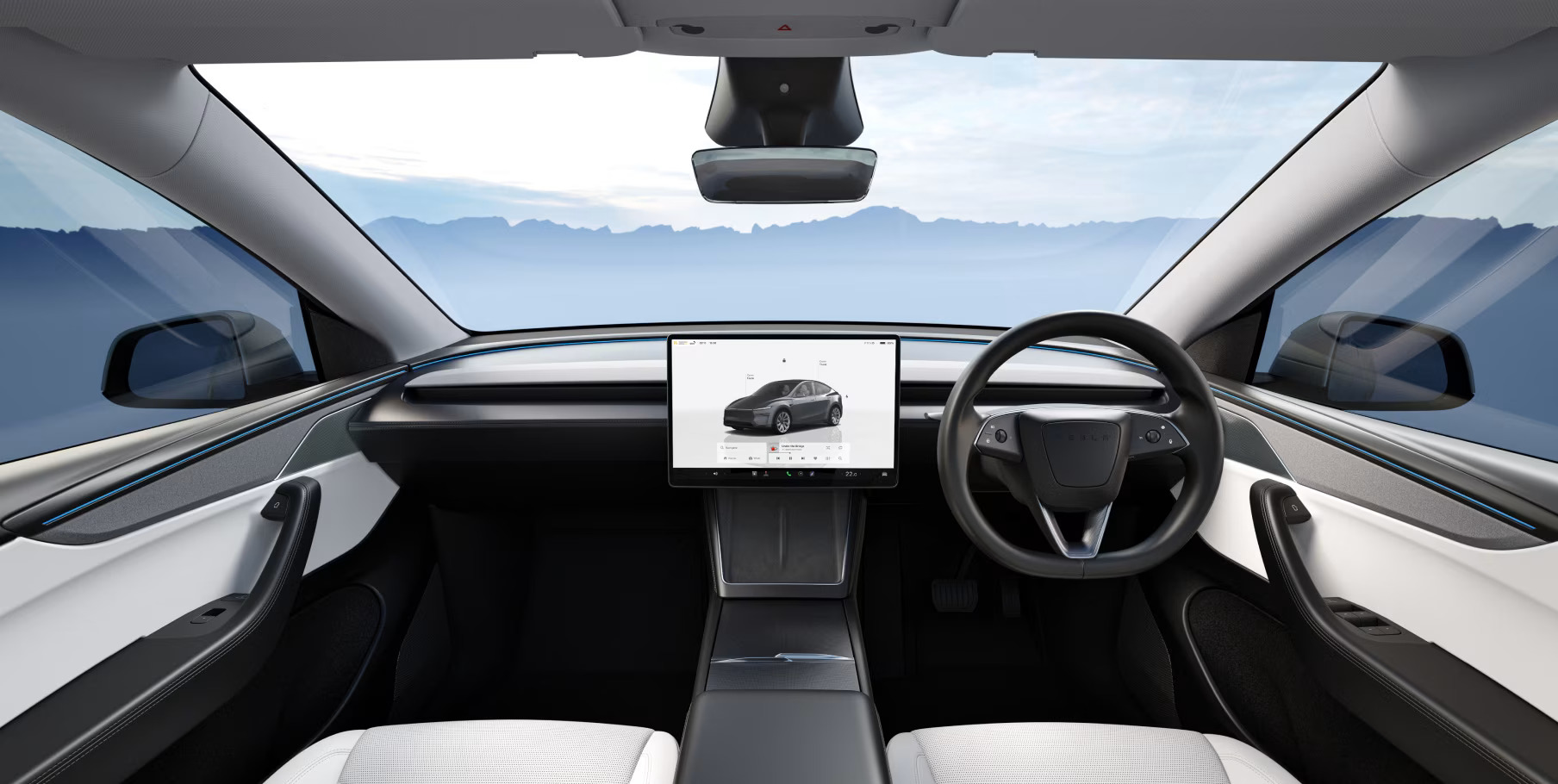
- Technology: Equipped with a 15-inch central touchscreen, over-the-air (OTA) software updates, and Autopilot. The optional Full Self-Driving (FSD) capability, priced at ₹6 lakh, awaits regulatory approval.
- Customisation: Offers six colour options (Stealth Grey standard, others at extra cost), black or white interiors, and optional 20-inch wheels.
- Charging: Tesla plans to deploy Supercharger stations in Mumbai, Pune, and Bengaluru, addressing India’s sparse charging network.
- Booking Process: Requires a ₹22,220 non-refundable deposit and ₹3 lakh within seven days to confirm. Deliveries are expected to start in September 2025.
Tesla’s first showroom in Mumbai’s Bandra Kurla Complex (BKC) offers test drives via an online form, with plans for expansion to Delhi and Gurugram. The Model 3 is expected to be launched in 2026, but for now, the Model Y is Tesla’s sole offering, limiting its immediate market reach.
Competitive Landscape in the ₹45–80 Lakh Segment:
The Model Y enters a crowded premium EV market, facing stiff competition from luxury global brands and value-driven local manufacturers. Below are its key rivals in the ₹45–80 lakh price range (ex-showroom), based on recent web data and sentiment on X.
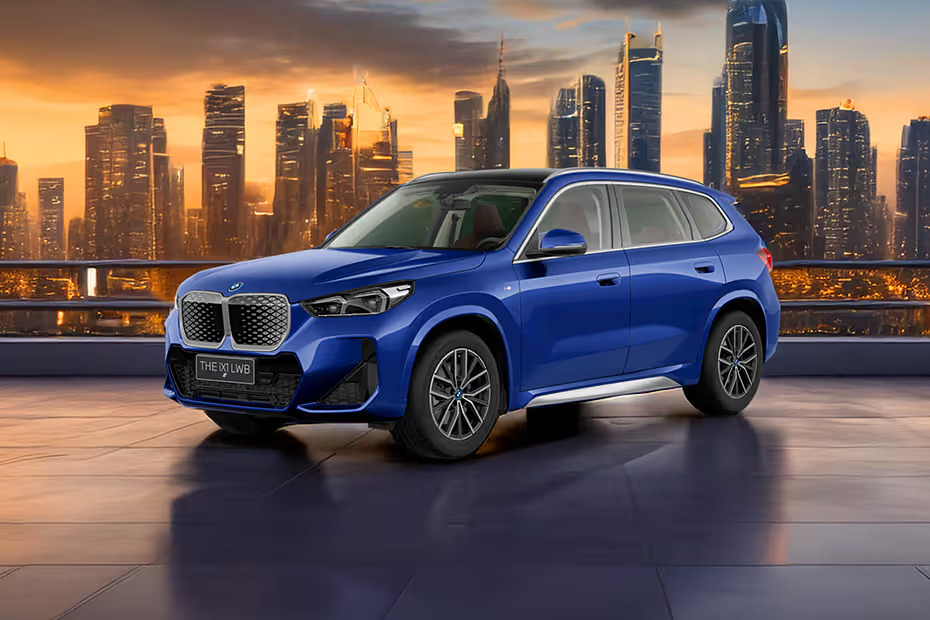
1. BMW iX1
- Price: ₹66.90 lakh
- Specifications: 313 hp, 66.4 kWh battery, ~440 km range (WLTP), 0–100 km/h in ~5.7 seconds
- Strengths: German engineering, luxurious interiors with iDrive, and a robust dealership network.
- Why It Competes: Matches Model Y’s performance and offers superior brand loyalty and service infrastructure. BMW’s brand prestige resonates strongly in India’s luxury market.
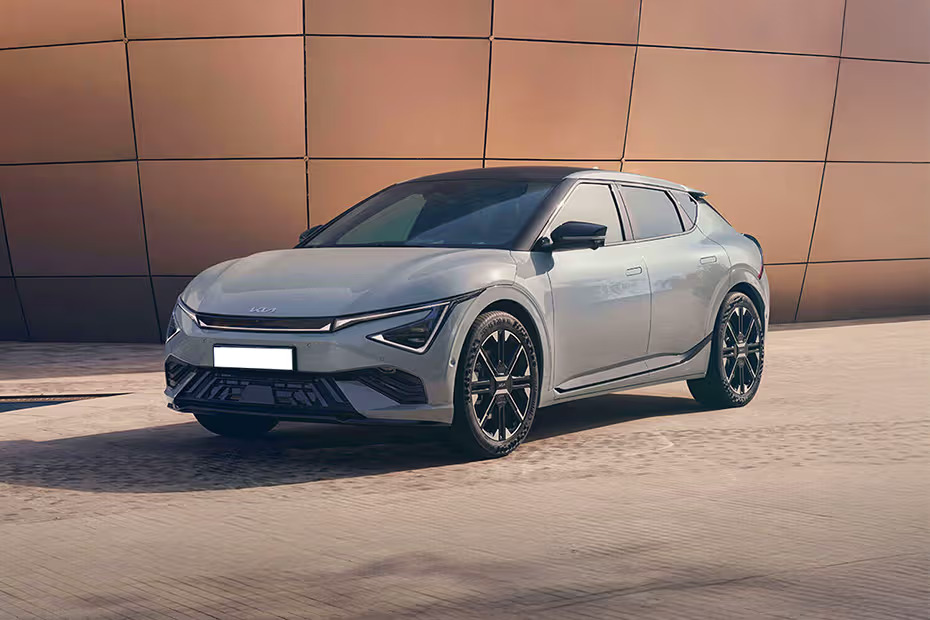
2. Kia EV6
- Price: ₹60.95 lakh (GT Line AWD)
- Specifications: 325 hp, 84 kWh battery, 708 km range (ARAI), 0–100 km/h in ~5.2 seconds
- Strengths: Locally assembled, offering a price edge, the longest ARAI-certified range, and ultra-fast 350 kW charging.
- Why It Competes: Outperforms Model Y in range and matches its performance at a similar price, making it a compelling value proposition.
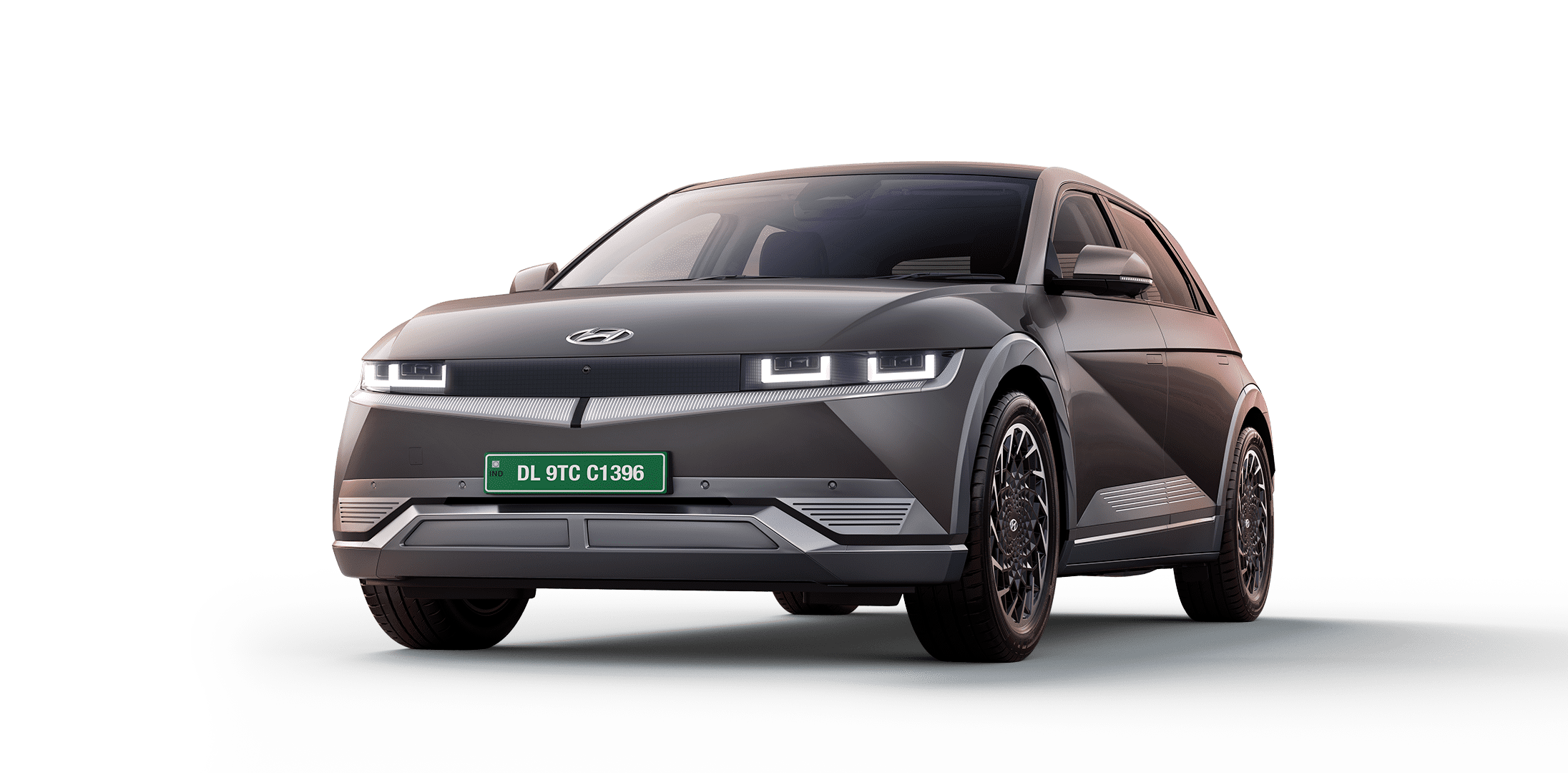
3. Hyundai Ioniq 5
- Price: ₹46 lakh
- Specifications: Up to 217 hp, 72.6 kWh battery, ~631 km range (ARAI), 0–100 km/h in ~7.6 seconds
- Strengths: Locally assembled, significantly cheaper, with a retro-modern design, spacious cabin, and fast charging.
- Why It Competes: Offers comparable range and premium features at a lower price, targeting cost-conscious buyers.
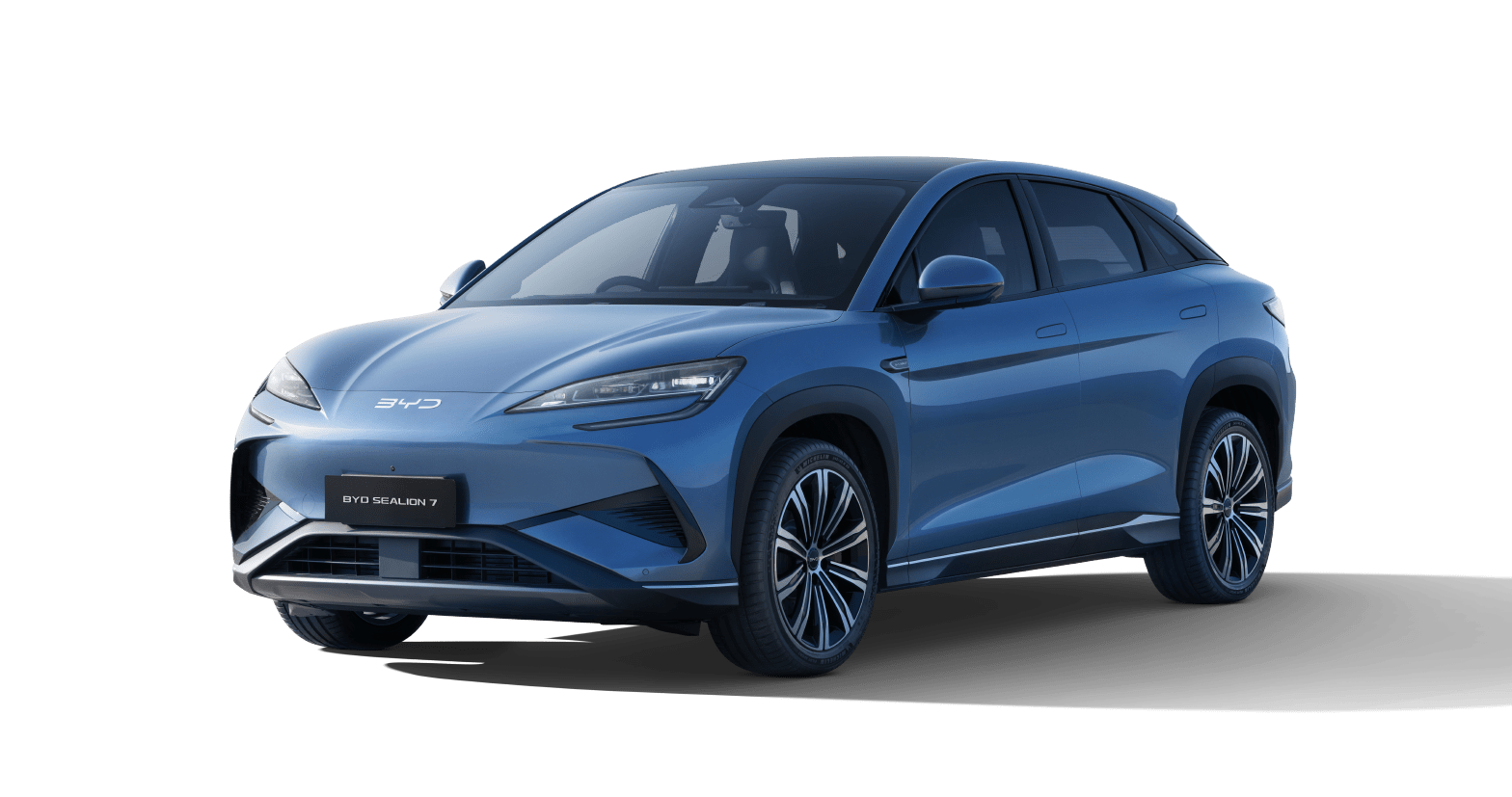
4. BYD Sealion 7
- Price: ₹48.90 lakh (Premium), ₹54.90 lakh (Performance)
- Specifications: Up to 308 hp, 82.56 kWh battery, ~550 km range (ARAI), 0–100 km/h in ~6 seconds
- Strengths: Locally assembled, feature-rich with Level 2 ADAS, and family-oriented design.
- Why It Competes: Provides strong value and versatility, undercutting Model Y’s price while offering competitive performance.
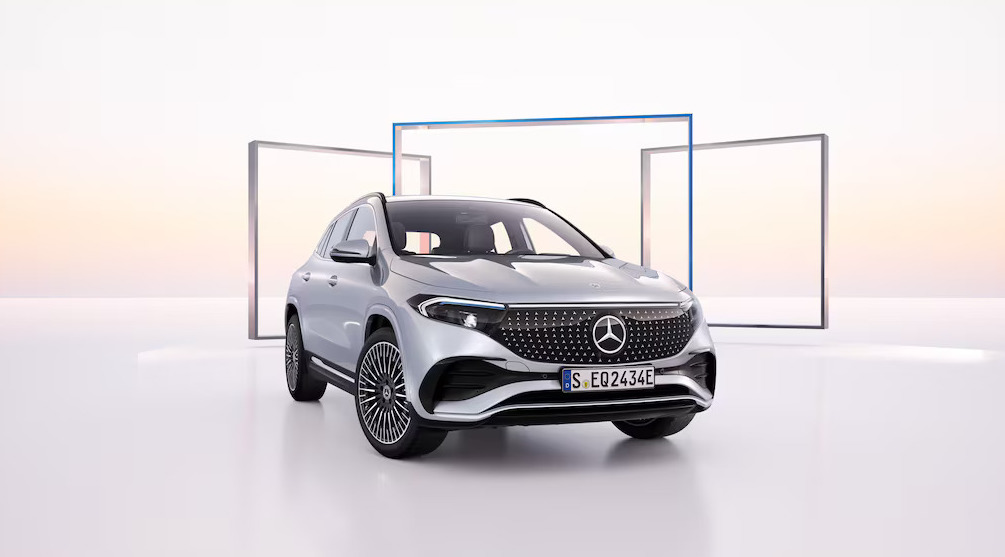
5. Mercedes-Benz EQA/EQB
- Price: ₹66 lakh (EQA), ₹70.90–77.50 lakh (EQB)
- Specifications: Up to 288 hp, 66.5–70.5 kWh battery, ~425–535 km range (WLTP), 0–100 km/h in ~6–8 seconds.
- Strengths: Premium interiors with MBUX, EQB’s seven-seat option, and strong luxury brand appeal.
- Why It Competes: Attracts buyers seeking traditional luxury and seating flexibility, though it trails in range and performance.
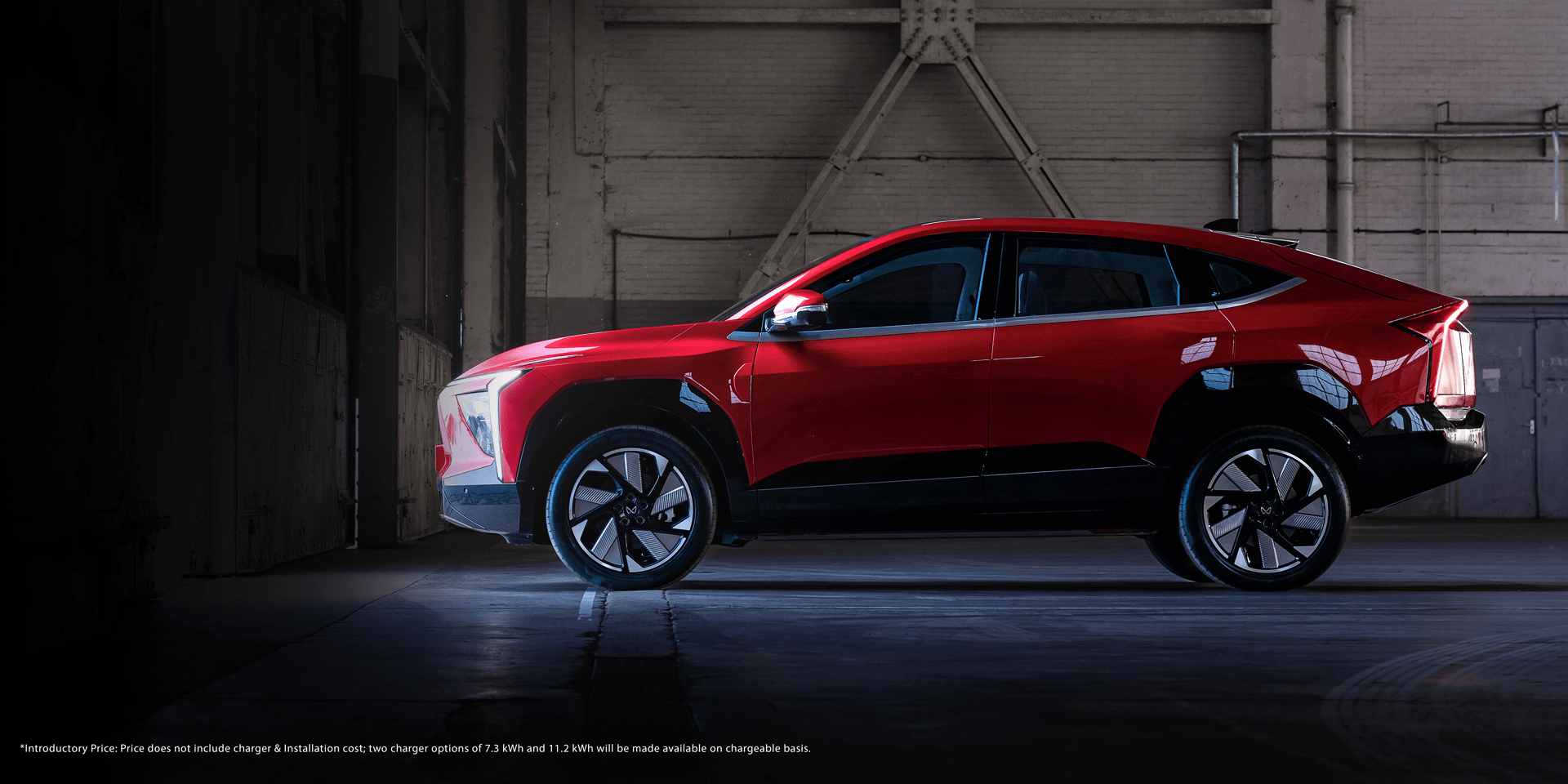
6. Mahindra XEV 9e
- Price: ₹21.90–25 lakh
- Specifications: ~250 hp, 79 kWh battery, 659 km range (ARAI, ~500 km real-world), 0–100 km/h in ~7 seconds
- Strengths: Locally manufactured, Infrastructure, drastically cheaper, with premium features and Level 2 ADAS.
- Why It Competes: Offers exceptional value and range, appealing to a broader premium audience.
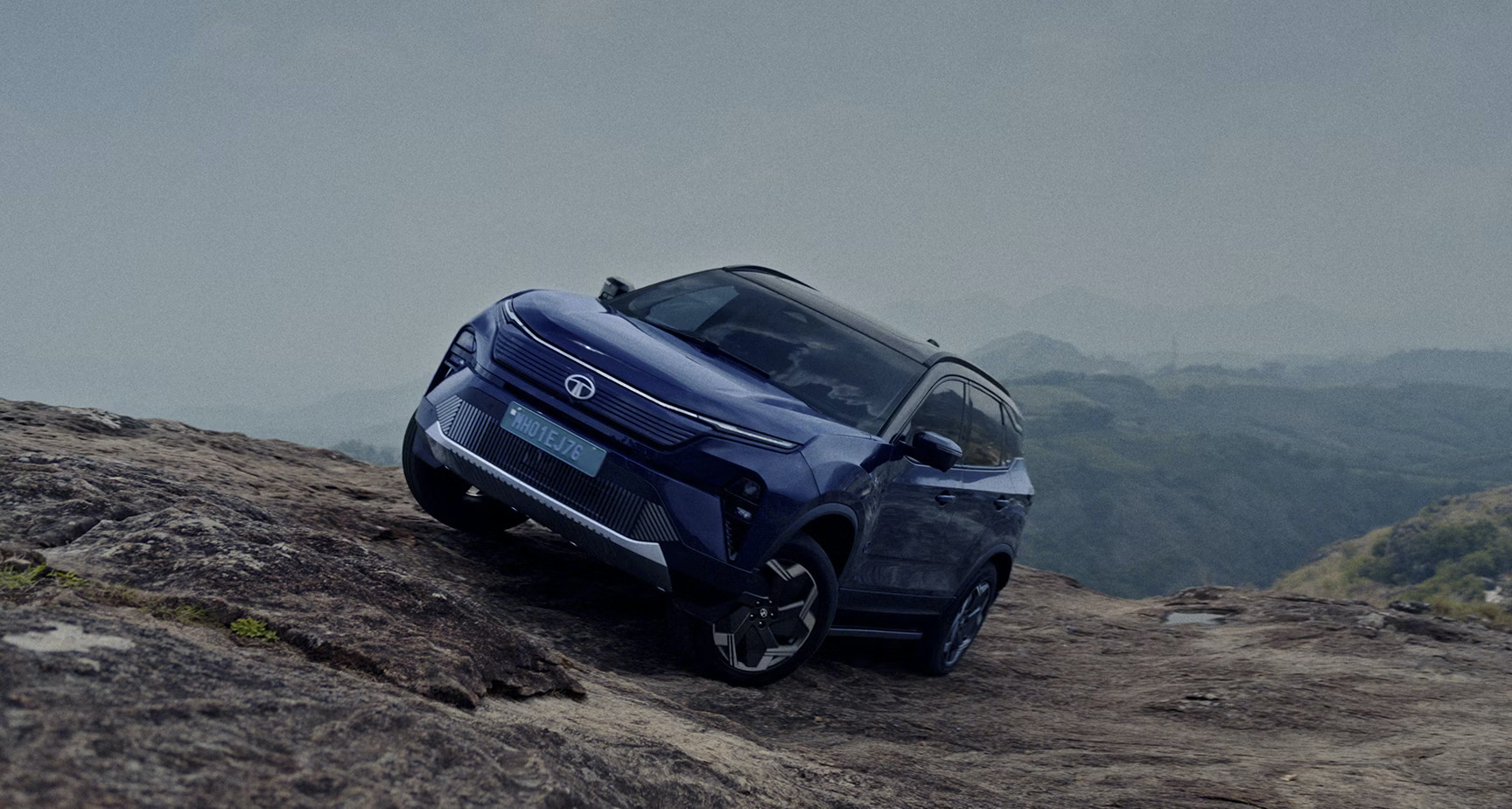
7. Tata Harrier.ev (Expected)
- Price: ~₹22–30 lakh (expected)
- Specifications: ~60–80 kWh battery, ~500 km range (estimated), details TBD
- Strengths: Locally made, Infrastructure, Affordable, with Tata’s EV expertise and brand trust.
- Why It Competes: Targets mass-premium buyers with cost-effective features, posing a future threat.
Non-EV Competitors of Tesla Model Y in India:
ICE (Internal Combustion Engine) SUVs like the BMW X3, Mercedes-Benz GLC, Audi Q5, Volvo XC60, and Jeep Wrangler (₹60–70 lakh) remain popular in this segment, offering reliability and luxury but lacking EV benefits like zero emissions and lower running costs.
Is Tesla’s Model Y Too Little, Too Expensive, Too Late?
Tesla’s entry into India is a bold move, but its timing, pricing, and limited offering raise concerns about its competitiveness. Let’s break it down:
Too Little?
- Single Model Offering: Launching only the Model Y restricts Tesla’s market reach. Competitors like BMW and Mercedes offer multiple EV models (e.g., iX1, EQA, EQB), while Kia and Hyundai provide diverse trims. The Model 3’s 2026 launch may broaden appeal, but for now, Tesla’s portfolio is narrow.
- Limited Showroom Presence: With only one showroom in Mumbai and plans for Delhi and Gurugram, Tesla’s accessibility lags behind BMW’s and Mercedes’ extensive dealership networks.
- Niche Appeal: The Model Y targets affluent urban buyers, missing the broader premium segment addressed by Mahindra and Tata’s upcoming premium EVs.
Too Expensive?
- High Import Duties: India’s 70–110% import duties inflate Model Y’s price by 60% compared to the U.S. (₹35 lakh). At ₹61–78 lakh on-road, it’s pricier than the Hyundai Ioniq 5 (₹46 lakh), BYD Sealion 7 (₹48.90–54.90 lakh), and Mahindra XEV 9e (₹25 lakh), which offer comparable range and features to some extent.
- Luxury Rivals: BMW iX1 (₹66.90 lakh) and Mercedes EQA/EQB (₹66–77.50 lakh) match Model Y’s price but offer superior brand loyalty, refined interiors, and established service networks, appealing to India’s luxury-conscious buyers.
- Value Gap: Locally assembled EVs like Kia EV6 and Hyundai Ioniq 5 provide better value, with longer ranges (708 km and 631 km) and lower prices.
Too Late?
- Delayed Entry: Tesla’s launch comes nearly a decade after Musk’s initial promises, allowing competitors like Kia, Hyundai, and BYD to establish strong footholds. BMW and Mercedes have capitalised on India’s luxury EV market, while Mahindra and Tata dominate the affordable segment.
- Infrastructure Lag: India’s 25,000 charging stations pale against millions of fuel pumps. Tesla’s Supercharger plans are promising but limited to major cities, while competitors leverage growing public networks.
- Market Maturity: India’s EV market, though growing, is dominated by affordable players like Tata (6% market share). Tesla’s premium positioning arrives when local brands are scaling rapidly with cost-effective EVs.
Tesla’s Competitive Strengths:
Despite these challenges, Tesla brings unique advantages:
- Brand Cachet: Tesla’s global reputation and Elon Musk’s cult following, reflected in excited X posts, attract tech-savvy, affluent buyers.
- Technology Edge: The Model Y’s 15-inch touchscreen, OTA updates, and Autopilot (with potential FSD) surpass competitors’ ADAS systems. No rival matches Tesla’s software ecosystem.
- Performance: 0–100 km/h in 5–5.6 seconds rivals BMW iX1 and Kia EV6, outpacing most competitors.
- Supercharger Network: Planned stations in Mumbai, Pune, and Bengaluru could offer faster, more reliable charging than India’s public infrastructure.
- Sustainability: Aligns with India’s 30% EV sales target by 2030, appealing to eco-conscious buyers.
Challenges to Tesla’s Survival:
Tesla faces significant hurdles that could hinder its success in the Indian market:
Pricing Barrier:
- The Model Y’s ₹61–78 lakh price is a major obstacle in a price-sensitive market. BMW iX1 and Mercedes EQA/EQB offer similar luxury at comparable prices, while Hyundai Ioniq 5 and Mahindra XEV 9e provide better value.
- High import duties persist until Tesla establishes local manufacturing, potentially by 2028–2030.
Infrastructure Limitations:
- India’s sparse charging network and Tesla’s urban-focused Superchargers limit accessibility outside major cities.
- The Model Y’s low ground clearance may struggle on India’s pothole-ridden roads, unlike rugged local EVs like the Mahindra XEV 9e.
Regulatory Hurdles:
- FSD’s approval is uncertain due to India’s cautious stance on autonomous driving, potentially limiting Tesla’s tech appeal.
- Import duties keep prices high, unlike locally assembled rivals.
Fierce Competition:
- Luxury brands like BMW and Mercedes leverage established networks and brand loyalty, offering refined interiors and service reliability.
- Affordable EVs like the Mahindra XEV 9e and the Tata Harrier. EVs target broader audiences with prices as low as ₹22–30 lakh, capturing mass-premium demand.
- Kia EV6 and Hyundai Ioniq 5 offer superior range and value, appealing to both premium and practical buyers.
Market Dynamics:
- Luxury EVs account for just 1% of India’s vehicle sales, restricting Tesla’s potential market.
- Domestic players like Tata and Mahindra dominate with affordable EVs, aligning with India’s price-conscious market.
Opportunities for Tesla
Tesla has pathways to gain traction:
- Niche Market: Targets urban elites in Mumbai, Delhi, and Gurugram, leveraging its futuristic image.
Supercharger Expansion: A robust charging network could differentiate Tesla, addressing infrastructure concerns. - Policy Support: India’s EV policy, offering incentives for local production, could lower prices if Tesla invests in manufacturing.
- Future Models: The Model 3’s 2026 launch could target the ₹30–50 lakh segment, broadening its appeal.
- Tech Leadership: Tesla’s software and potential FSD could attract early adopters, setting it apart from BMW and Mercedes’ traditional luxury.
Can Tesla Overcome the Odds?
Tesla’s Model Y launch is ambitious but faces significant challenges:
- Too Little: A single model and limited showroom presence restrict Tesla’s reach compared to BMW’s and Mercedes’ diverse portfolios and networks.
- Too Expensive: High prices due to import duties make Model Y less competitive against BMW iX1, Kia EV6, and affordable local EVs like Mahindra XEV 9e.
- Too Late: Delayed entry allows competitors to establish dominance, with Kia, Hyundai, and Tata capitalising on local assembly and infrastructure growth.
However, Tesla’s Long-Term Prospects Hinge on:
- Local Manufacturing: Could reduce prices by 30–40%, making Model Y competitive with Ioniq 5 and Sealion 7.
- Charging Infrastructure: Scaling Superchargers could attract buyers wary of public charging.
- Brand Appeal: Tesla’s tech-forward image could build a loyal urban base if FSD is approved.
The Model Y’s launch is a bold step, but it’s arguably too little, too expensive, and too late to disrupt India’s EV market significantly. BMW’s iX1 and Mercedes’ EQA/EQB offer comparable luxury with better service networks, while Kia EV6, Hyundai Ioniq 5, and Mahindra XEV 9e provide superior value and range. Tesla’s high pricing and infrastructure challenges limit it to a niche urban audience. To thrive, Tesla must localise production, expand Superchargers, and introduce more models like the Model 3. For now, it’s a premium player in a market favouring value and accessibility.
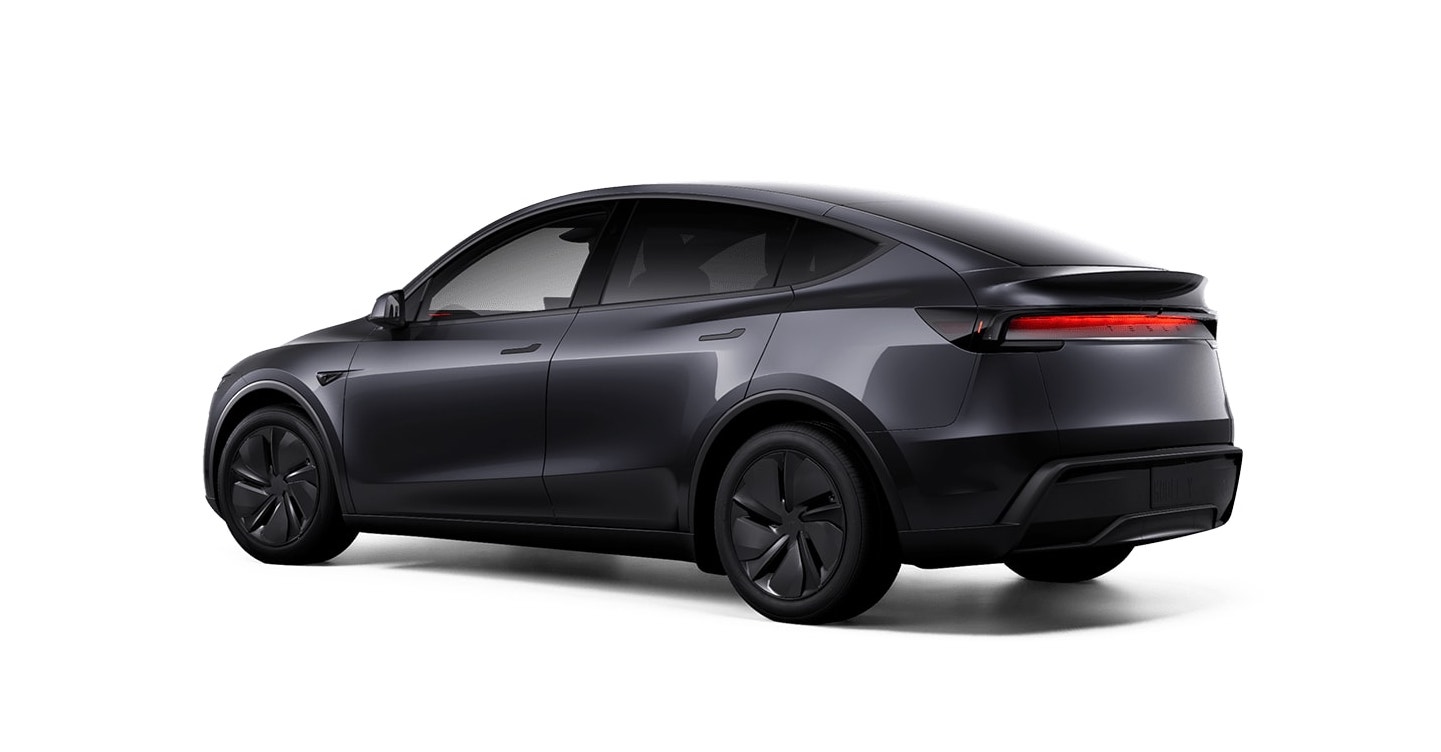
Tesla’s Model Y launch on July 15, 2025, brings cutting-edge technology to India, but its ₹59.89–67.89 lakh price, single-model offering, and late entry make it a tough sell against the competition. Tesla’s tech and brand allure are strengths, but high costs, limited infrastructure, and fierce competition pose significant risks. To succeed, Tesla must leverage India’s EV policies and build local infrastructure. For more details or to book a test drive, visit tesla.com.