







Bengaluru, August 7, 2025: In a significant move toward sustainable rural transformation, Xiaomi India has launched its flagship Eco-Village initiative in partnership with BharatCares, the social impact arm of Shri Mahakal Education and Charitable Trust. The initiative aims to empower rural communities with tech-enabled, eco-friendly infrastructure and sustainable development practices.
The first phase of the program is already underway with pilot projects in two villages, K. Palasandra in Tumakuru and Sonnenahalli near Bengaluru. A third project site in Salarpur Kalan, Noida, is scheduled to launch in the coming weeks, further expanding the reach and impact of the initiative.


A Tech-Driven Approach to Rural Sustainability
The Eco-Village initiative is a holistic rural development model focusing on five core pillars:
- Renewable Energy
- Water Conservation
- Waste Management
- Afforestation & Plantation
- Sustainable Agriculture
These areas align closely with several UN Sustainable Development Goals (SDGs), such as clean water and sanitation, zero hunger, clean energy, and responsible consumption.
What sets this initiative apart is its deep integration of technology-backed solutions, purpose-built for rural India. Key innovations include:
- Solar panel installations at community learning centres
- Rooftop rainwater harvesting systems
- Battery-powered waste collection vehicles
- Drip irrigation systems to boost water-efficient farming
The entire project will be monitored via real-time dashboards and mobile feedback systems, ensuring transparency, accountability, and data-driven improvements.
Groundbreaking Ceremonies Mark the Beginning
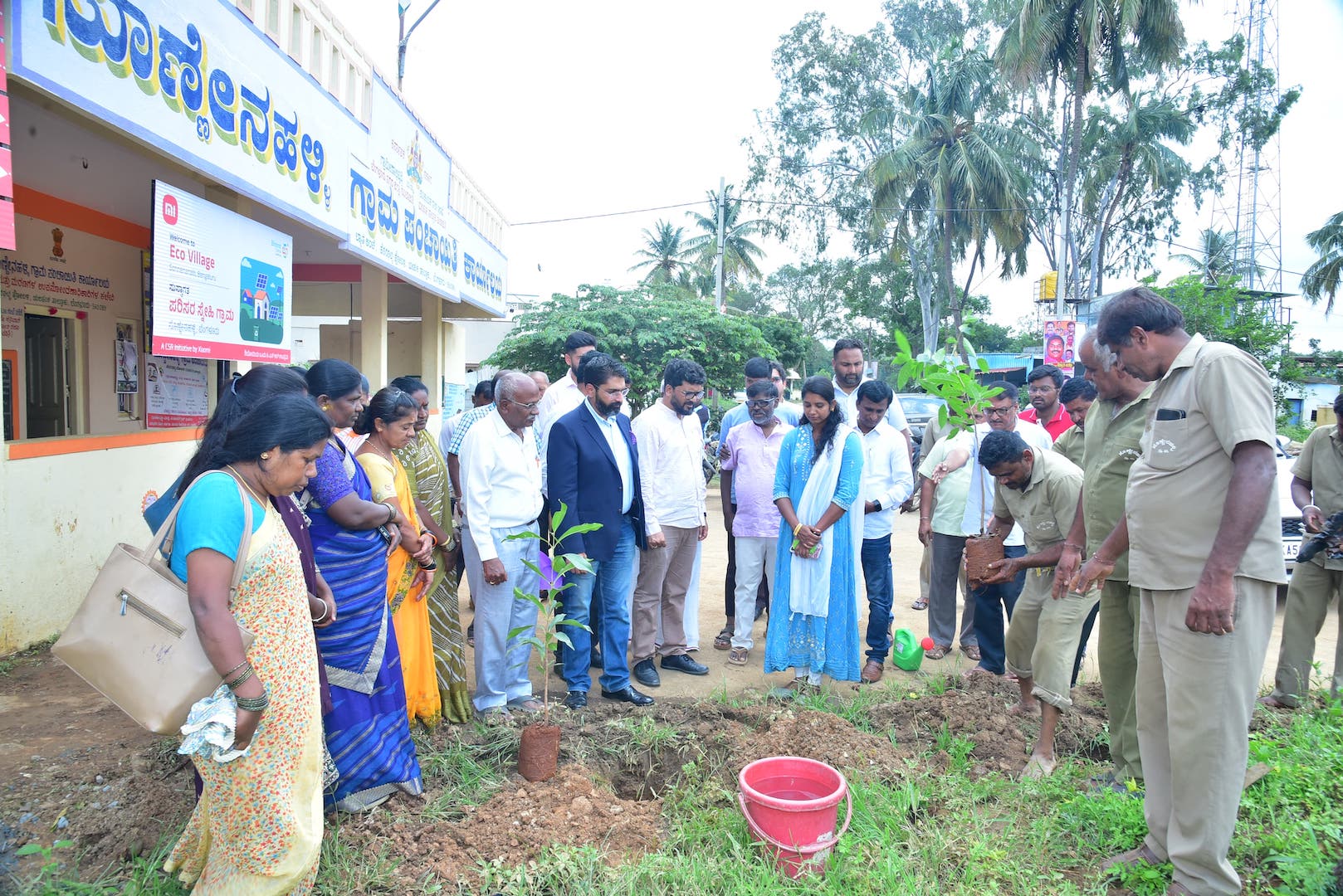
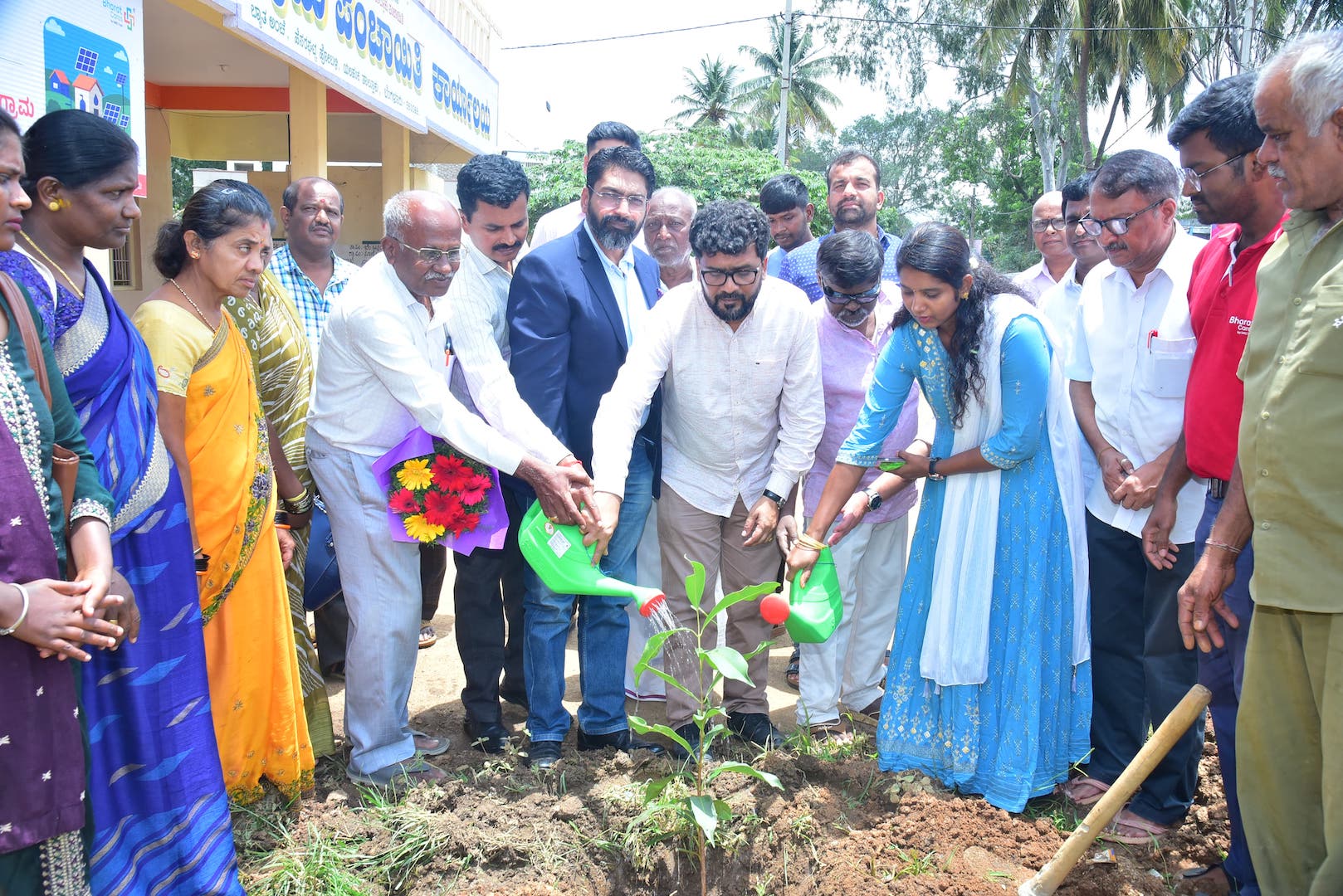
To mark the formal launch, Xiaomi India and BharatCares held foundation stone-laying ceremonies on August 4 and 5 in both pilot locations. These events set the stage for building solid waste management centres, rejuvenating local water bodies, and kickstarting plantation drives.
The local community, along with representatives from Xiaomi India, BharatCares, and local governance bodies, participated in the events to understand the long-term vision and their role in shaping the transformation.
Leadership Speaks:
“At Xiaomi India, we’ve always believed that innovation should serve a larger purpose,” said Sudhin Mathur, Chief Operating Officer, Xiaomi India.
“The Eco-Village initiative is our way of using technology to address real-world problems at the grassroots level. This is about building stronger, more resilient communities that grow with India’s progress.”
Varun Madan, Chief People Officer at Xiaomi India, added:
“This project embodies our core values—ownership, collaboration, and creating meaningful outcomes. It’s a powerful example of how compassion and innovation can together drive long-lasting social change.”
Bhomik Shah, Managing Trustee at BharatCares, also emphasised the impact of the program:
“The Eco-Village initiative is a reflection of our commitment to building greener, healthier, and self-reliant communities. It’s about balancing progress with the planet.”
Why These Villages?
K. Palasandra and Sonnenahalli were strategically chosen for their proximity to urban centres and pressing developmental challenges such as water scarcity, poor waste infrastructure, and low adoption of sustainable agriculture. Both villages, with populations ranging from 4,000 to 8,500, offer the right conditions to become model examples of rural sustainability.
As the project scales to Salarpur Kalan in Noida, Xiaomi India hopes to replicate and customise its approach for broader impact across the country.
techinfoBiT Take:
With this initiative, Xiaomi India is going far beyond its identity as a smartphone and tech brand. By addressing core rural issues with innovation and intent, the company is carving a new path in corporate sustainability and community development. The Eco-Village initiative isn’t just CSR, it’s a blueprint for how technology can create real, lasting change.