





A home can have app-controlled lights, smart security cameras, automated curtains and connected entertainment systems without offering a particularly seamless experience. When each device operates through a separate application or control system, managing the technology can become almost as complicated as living without it. The real challenge in smart-home design is not simply connecting more devices but making different systems work together in ways that suit the people using the space.
This is the idea behind integrated automation, an approach that brings compatible technologies under a coordinated system rather than treating every device as a separate feature. The concept extends beyond private residences to hotels, healthcare facilities, offices and commercial buildings, where lighting, environmental controls, entertainment, access management and other functions may need to operate together.


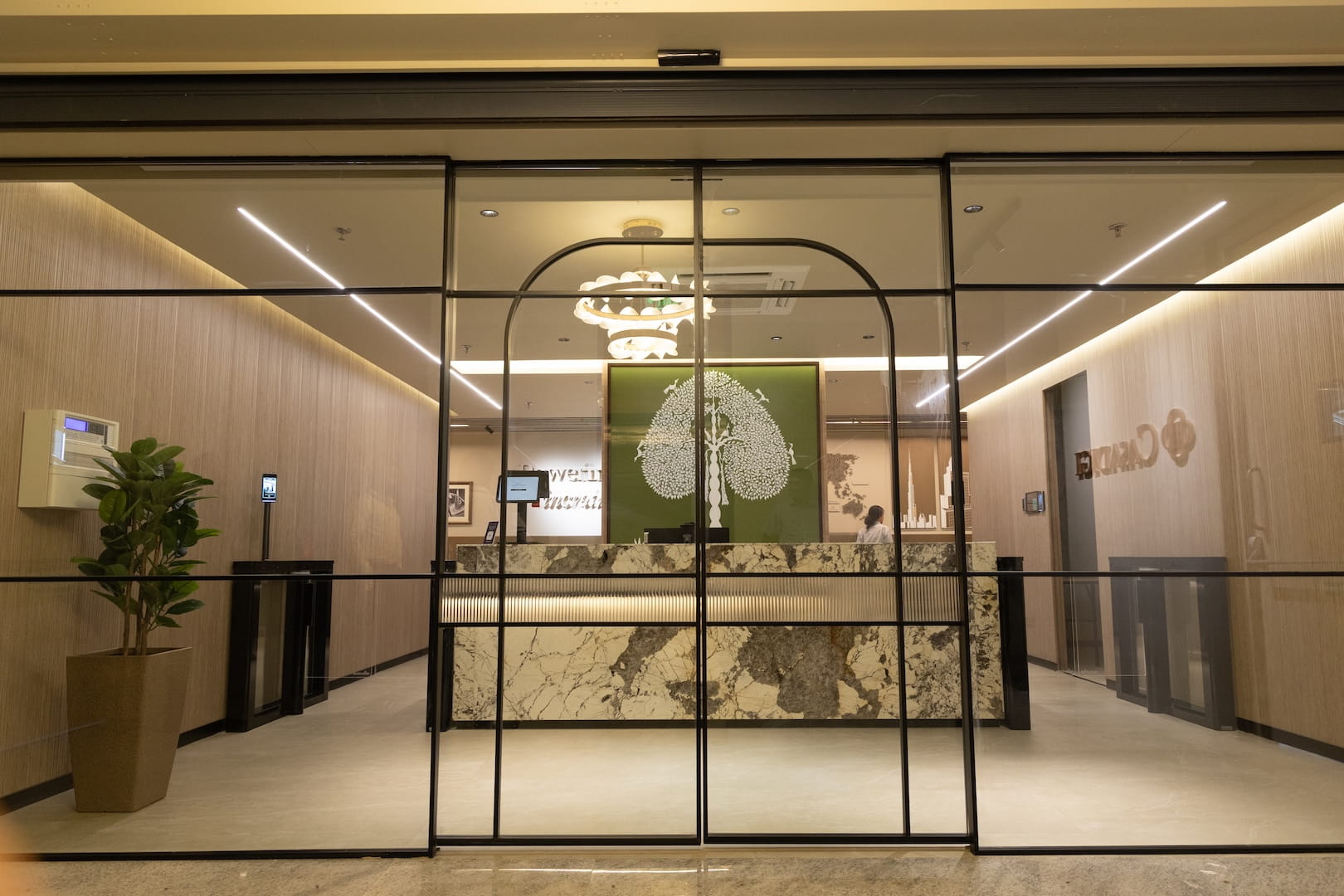
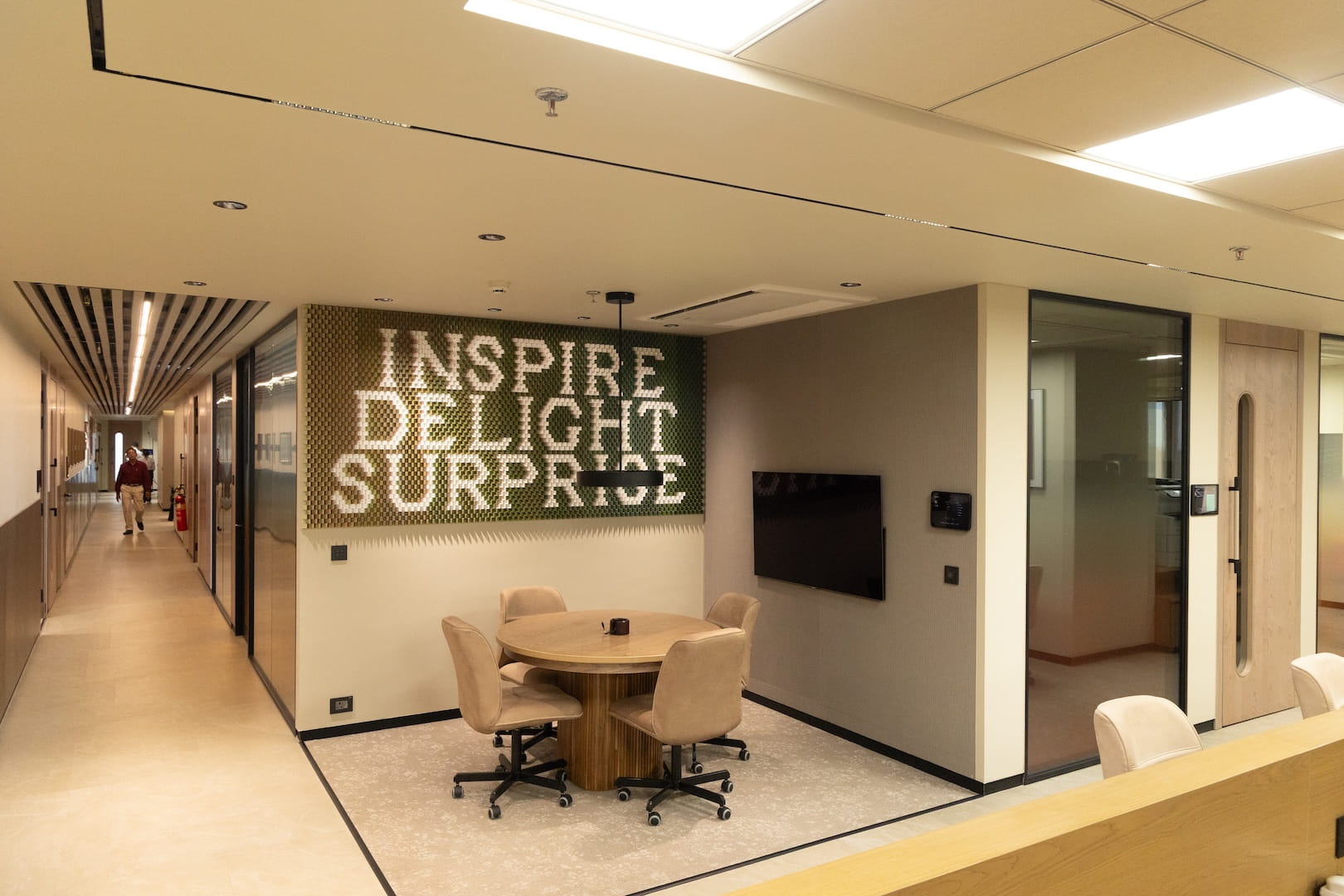
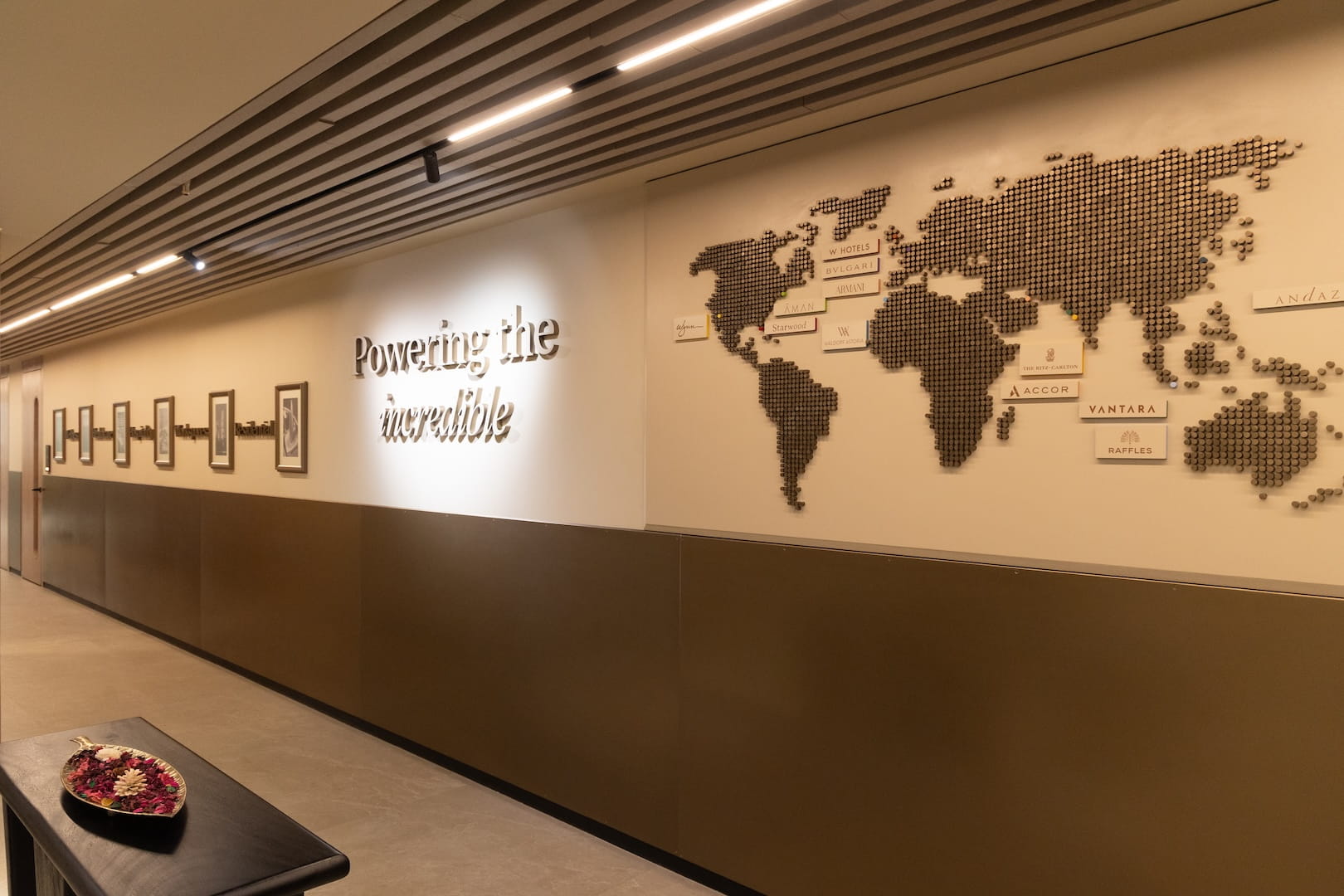
The CasaDigi × DigiValet Experience Centre in Indore, India, offers a practical example of this approach. Developed by CasaDigi in partnership with DigiValet and in collaboration with reD Architects, the facility brings together five types of environments to demonstrate how integrated technology can be applied to different settings. Alongside its role as an experience centre, it also serves as a working office and a space for design, research, development and innovation. Rather than focusing exclusively on individual products, the facility is intended to show how technology can become part of the way a space is designed and used.
From Connected Devices to Coordinated Environments
The distinction between a smart device and an integrated system becomes clearer when considered through everyday activities. A connected light allows users to adjust brightness, while a smart thermostat manages temperature. These functions are useful individually, but a coordinated system can bring compatible controls together so that users do not have to manage every function separately. Depending on the equipment and configuration, several settings may also be adjusted together to suit a particular activity.
The residential environment at the CasaDigi × DigiValet Experience Centre demonstrates this through a living-dining setup where visitors can adjust lighting, temperature, music, scent and air quality using customisable controls within the platform. Different combinations can create settings suited to activities such as watching a film or hosting a dinner gathering. The value of this approach lies in the coordination of the functions rather than the presence of any single automated device.
The centre also demonstrates how automation can extend into less obvious parts of a home. Its bathroom setup includes a bathtub that can be configured to fill to a preferred temperature, a physical volume dial for adjusting music and an accessible SOS button intended to support older occupants in emergencies or accidents. These examples show how connected technology can address convenience and accessibility alongside entertainment and ambience.
Another feature described by the companies is CasaDigi’s Butler Service, which uses a multilingual, chat-based interface to manage domestic requests and staff-related workflows. Rather than focusing only on equipment, the service brings household communication and task coordination into the same platform. Together, these demonstrations illustrate how the idea of an integrated home can extend from environmental controls to the everyday routines that take place within it.
Why the Same Technology Matters Beyond the Home
Hotels, healthcare facilities and offices have different operational requirements, but they face a similar challenge: technology needs to serve people without making the environment more difficult to manage. The Experience Centre explores these applications through separate settings designed around the needs of guests, patients, employees and building occupants.
In the hospitality suite, the emphasis is on adapting the guest experience to individual preferences. According to the information provided by CasaDigi and DigiValet, the system can support personalised welcome messages, saved preferences for returning guests and access to selected meeting, dining and activity recommendations. The demonstration also includes a retractable television and an integrated fireplace operated through the same interface. These features illustrate how room controls, entertainment and selected guest services can be brought together within a coordinated platform.
The healthcare environment applies the concept differently. It demonstrates controls for an intelligent recliner bed, ambient lighting and automated post-recovery care instructions tailored to individual needs. The intended benefit is to make selected aspects of the environment easier to manage and support greater independence with routine activities. These are environmental and care-support applications; the supplied information does not establish clinical outcomes or demonstrate that automation can replace professional care.
In offices and mixed-use buildings, the focus shifts towards occupancy, access and operational coordination. The centre demonstrates meeting-room adjustments involving lighting, ventilation, sound and temperature, alongside boardroom content sharing from multiple devices. Its mixed-use environment brings together security, entry and exit management, and lift controls that can direct authorised users to designated floors while restricting access to specified areas. These examples show how the principles of integration can be applied at different scales, from managing the atmosphere of a room to coordinating selected functions across a building.
The common thread is not that every environment needs the same technology. A private residence, hotel and commercial property have different users, priorities and operating requirements. The more useful question is whether the selected systems work together appropriately for the intended purpose.
Why Automation Should Be Part of the Design Process
Technology can influence how a space looks and functions just as much as its physical layout. Lighting placement, acoustics, control interfaces, wiring and equipment locations all affect the experience of using an automated environment. When these decisions are considered separately, integrating systems later can become more complicated, particularly in properties undergoing construction or substantial renovation.
The CasaDigi × DigiValet Experience Centre was developed in collaboration with reD Architects to bring physical design and digital technology together. Its different environments allow visitors to explore how automation can be incorporated into residential and other settings rather than viewed solely as a collection of products. For architects, interior designers, system integrators and homeowners, this highlights the importance of considering technology early enough for it to complement the overall design.
That does not mean every property needs extensive automation. The appropriate level of integration depends on how the space will be used, who will use it and which functions genuinely improve convenience or accessibility. A homeowner may benefit from coordinated lighting and climate controls without needing to automate every household activity. A hotel or office, by contrast, may have different priorities involving guest preferences, room occupancy or access management.
Practical considerations also extend beyond the initial demonstration. Anyone evaluating an integrated system should understand which devices and third-party products are compatible, how the system can accommodate future changes, and what happens if power or network connectivity is interrupted. Privacy, cybersecurity, software updates and long-term technical support also deserve attention, particularly when multiple functions depend on connected equipment and user accounts. These are general considerations for connected environments, not claims about the performance of any particular platform. Addressing them before installation helps establish whether a proposed solution will remain manageable over time.
An Experience Centre That Also Functions as a Design Laboratory
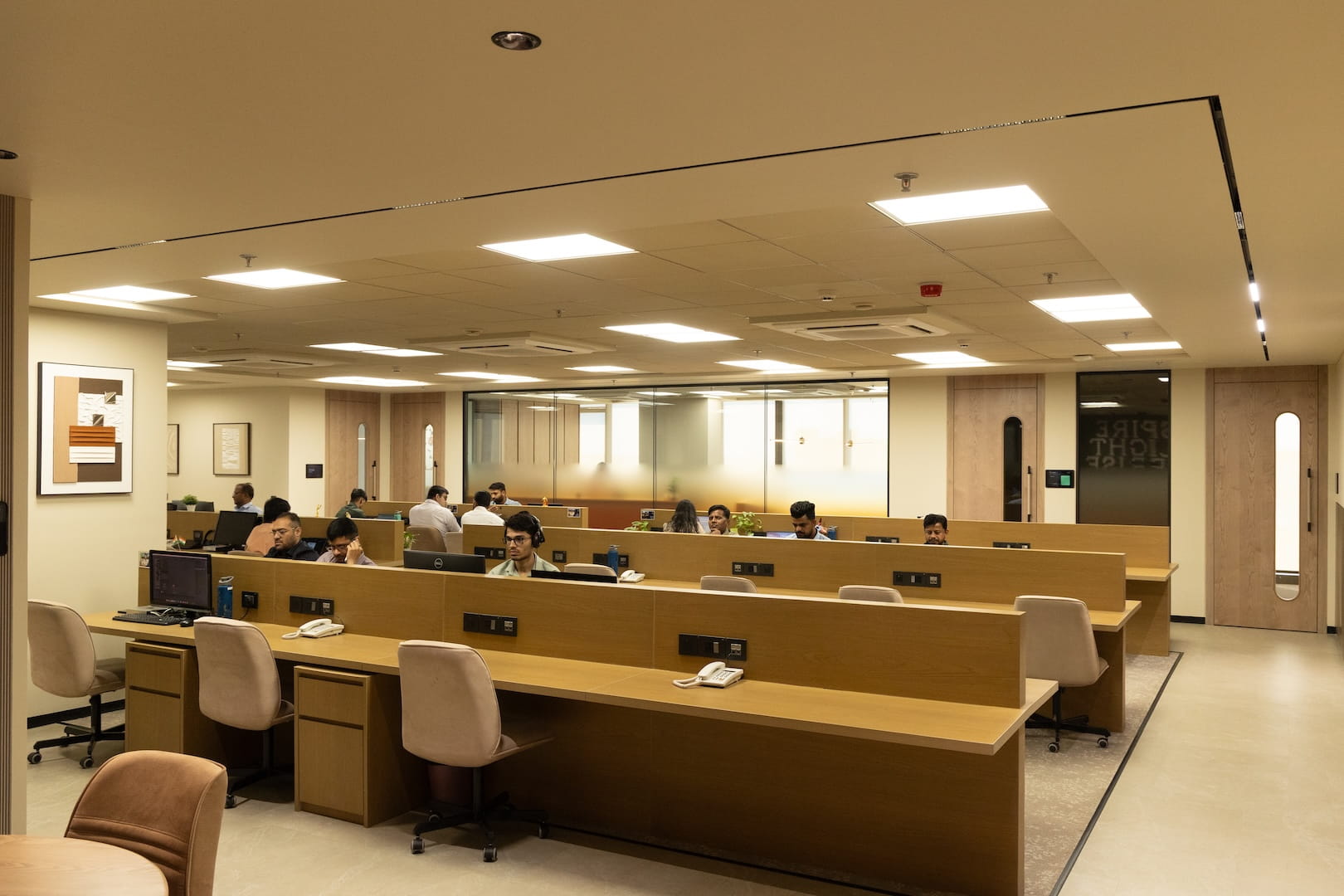
The CasaDigi × DigiValet facility has a second role beyond demonstrating automation to visitors. According to the companies, it also houses design, research, development and innovation activities, providing an environment where integrations can be tested and future experiences prototyped. This brings the work involved in developing technology closer to the settings in which it is demonstrated.
The facility brings together residential, hospitality, healthcare, office and commercial applications under one roof, giving visitors an opportunity to explore how different functions can be coordinated according to the needs of each environment. Its intended audience includes potential customers, brand partners, architects, interior designers and system integrators who want to understand how technology can be incorporated into the wider design of a space.
What makes this approach relevant is the opportunity to consider automation as part of a complete environment rather than evaluating devices in isolation. The examples presented at the centre range from household controls and hotel-room personalisation to healthcare support features, meeting-room automation and building access management. Each application has its own requirements, but all depend on matching the technology to the purpose of the space.
For homeowners and businesses, the broader lesson is that the number of connected devices is not the best measure of a successful automated environment. Compatibility, ease of use, accessibility, security and long-term support all influence whether the technology proves useful in everyday operation. The CasaDigi × DigiValet Experience Centre in Indore brings these different applications together in a setting where visitors can explore the possibilities of integrated automation. More importantly, it illustrates a principle that applies well beyond any single facility or company: technology works best when it is planned around the people who will use it and the way they live, work and interact with their surroundings.
Source: Information about the CasaDigi × DigiValet Experience Centre and its demonstrated features was provided by CasaDigi and DigiValet.